Top 10 Essential Minerals Every Horse Should Be Getting

The right minerals are just as important as good forage when it comes to keeping your horse sound, calm, and performing at their best.

In this guide, we’ll look at the top 10 minerals every horse should be getting, with practical ways to provide them using options available from Colesdale’s Endeavon range, alongside everyday feeds and management.

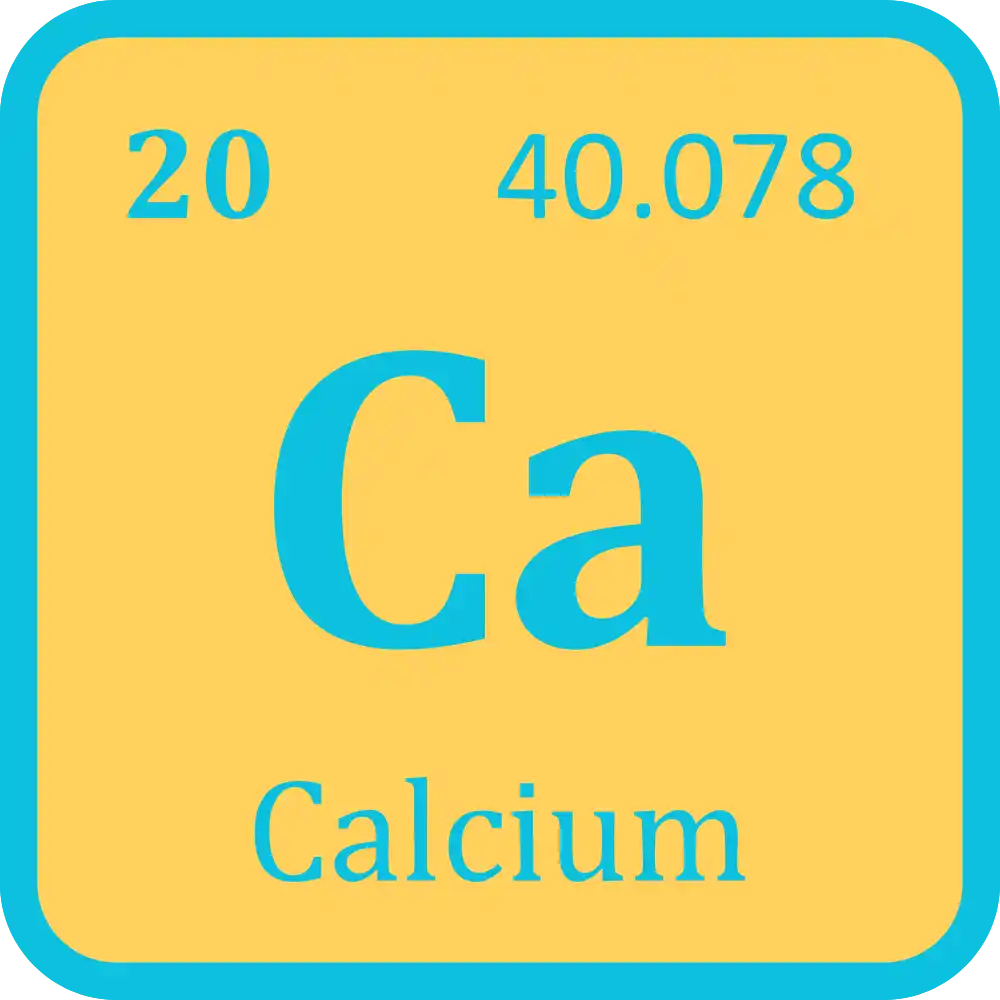
1. Calcium (Ca)

Calcium is vital for strong bones, healthy teeth, proper muscle contraction, and heart function. It must always be balanced with phosphorus, with most adult horses doing best on a diet where calcium slightly exceeds phosphorus overall.

Practical ways to provide calcium:

  • Good-quality lucerne (alfalfa) hay or chaff is naturally high in calcium and suits many performance and breeding horses when fed in balance with other forages.
  • Commercial concentrates formulated for horses usually include added calcium; always follow the feeding rate on the bag to meet the stated mineral levels.
  • For an easy top-up of broad-spectrum minerals (including calcium), Endeavon Feed Supplement from Colesdale can be added to the daily ration as per label or veterinary advice.

Learn more about how to choose the right horse supplements.
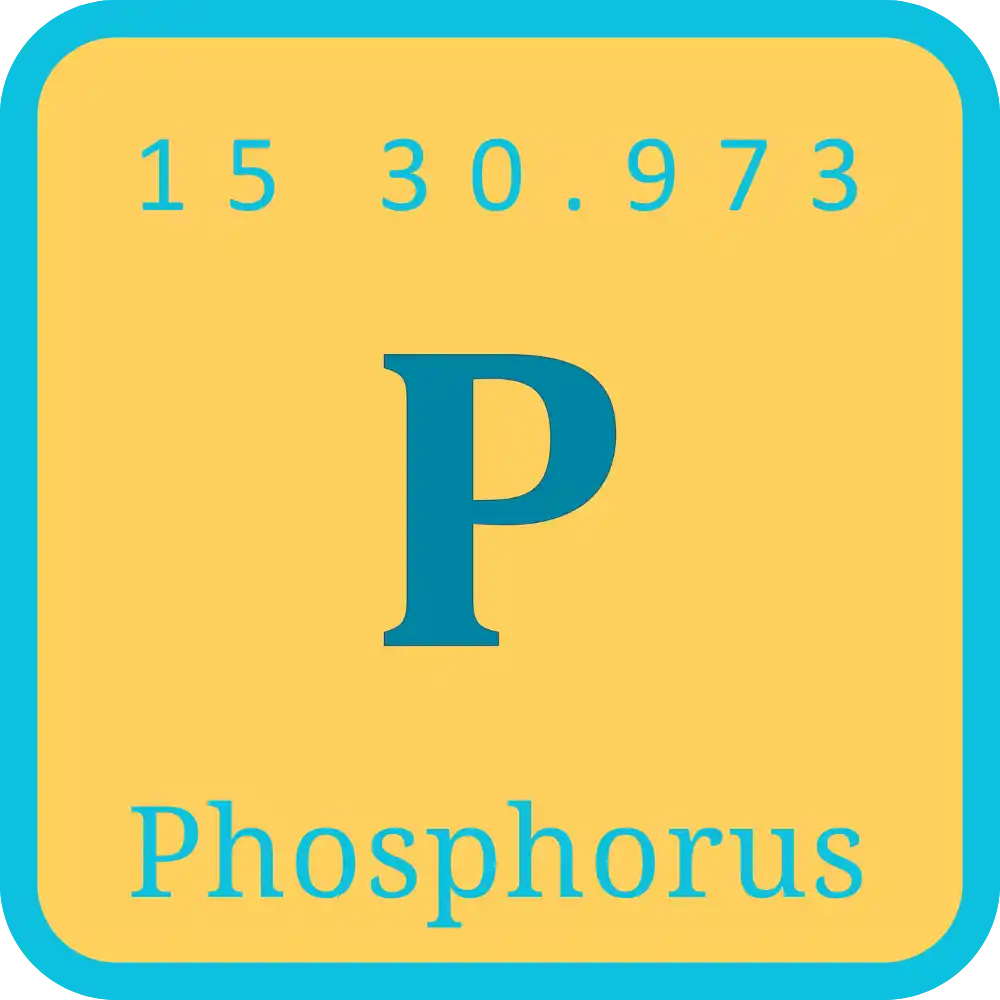
Phosphorus can be found in our Endeavon Feed supplement

2. Phosphorus (P)

Phosphorus works hand in hand with calcium for bone strength and is also key for energy metabolism and cell function. Too much phosphorus relative to calcium can actually weaken bones, so most horses do not need extra phosphorus on top of a balanced feed.

How to supply phosphorus safely:

  • Most pasture grasses and cereal-based feeds (like oats and maize) already contain phosphorus, so a typical working horse gets plenty from its base ration.
  • Commercial horse cubes or muesli are usually formulated with both calcium and phosphorus in the right ratio.
  • Broad-spectrum products such as our Endeavon Feed Supplement  provide phosphorus as part of a balanced vitamin–mineral blend rather than in isolation, supporting correct ratios.

Browse our full range of Endeavon supplements.

3. Magnesium (Mg)

Magnesium plays a key role in muscle and nerve function and is involved in hundreds of enzyme reactions in the body. Low magnesium has been linked with tension, muscle twitching, and poor recovery in some horses.

Practical ways to add magnesium:

  • Most forage provides some magnesium, but levels can vary with soil type and pasture management.
  • For horses that need extra support for calmness, hooves, and muscles, Colesdale offers Endeavon Magnesium Oxide  – a natural magnesium supplement designed specifically for horses.
  • Combining Endeavon Magnesium Oxide with a general mineral blend such as Endeavon Feed Supplement helps cover both specific and broad micronutrient needs.

You can read more about magnesium requirements in horses in the MSD Veterinary Manual.
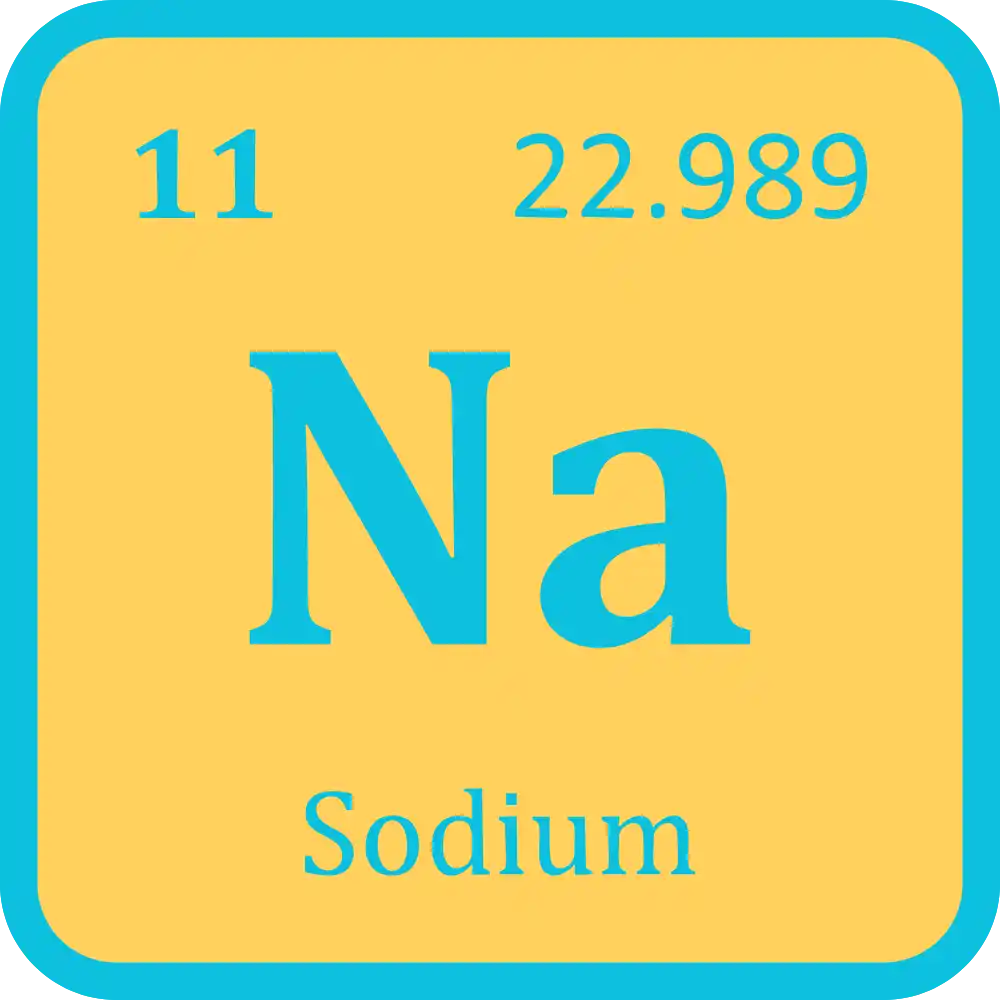
Sodium can be found in Endeavon Electrolytes

4. Sodium (Na)

Sodium is a key electrolyte for hydration, nerve impulses, and muscle contraction. Most forage-based diets are low in sodium, which is why almost every horse should have salt added to their diet in some form.

How to provide sodium:

  • Offer free-choice plain salt (block or loose) in the stable and paddock so your horse can self-regulate to some extent.
  • Add a measured amount of table salt or coarse salt to the daily feed, especially for horses in regular work or hot climates.
  • Use a balanced vitamin–mineral supplement such as Endeavon Feed Supplement to support overall electrolyte intake alongside salt, particularly for show or competition horses.

5. Potassium (K)

Potassium is another major electrolyte, crucial for normal muscle contraction, heart rhythm, and fluid balance. Horses on lush pasture or hay usually receive plenty of potassium, but heavy sweaters and horses in hard work can benefit from careful electrolyte management.

Practical sources of potassium:
  • Fresh grass and good-quality hay are naturally rich in potassium.
  • Most complete horse feeds include potassium as part of their formulation.
  • Potassium can be found in our Endeavon Electrolytes.
  • For horses needing broad nutritional support during shows or travel, Endeavon Feed Supplement offers a convenient way to help maintain overall mineral status when used as directed.

Potassium can be found in Endeavon Electrolytes
Chloride can be found in Endeavon Electrolytes

6. Chloride (Cl)

Chloride works together with sodium and potassium to maintain fluid balance, acidity–alkalinity (acid–base) balance, and proper digestion. Like sodium, chloride is often low in forage-only diets and is mainly supplied through salt and electrolyte products.

How to ensure your horse gets enough chloride:

  • Provide a plain salt lick (sodium chloride) at all times; this is the simplest way to cover both sodium and chloride needs.[10]
  • Add salt directly to hard feed, particularly for working horses that sweat.
  • Pair this with a broad-spectrum supplement such as Endeavon Feed Supplement to cover other minerals that interact with electrolytes in the body.

For more support around feeding, see our FAQ page.

7. Zinc (Zn)

Zinc is essential for healthy skin, coat, hooves, and immune function. Forage-only diets can be marginal in zinc, especially in certain regions, and imbalances with other minerals (like copper) can affect how well it is absorbed.

How to provide zinc in practice:

  • Many commercial horse feeds are fortified with zinc to help cover basic needs.
  • Endeavon Feed Supplement includes trace minerals such as zinc within its vitamin–mineral blend, giving a convenient “one scoop” approach when used according to directions.
  • Horses with poor hoof quality or a dull coat often benefit from correcting overall mineral balance rather than giving just one single mineral on its own.

For a useful overview of zinc and other trace minerals in horse diets, see this article on minerals for horses.
Zinc can be found in Endeavon Feed Supplement
Copper can be found in Endeavon Feed Supplement

8. Copper (Cu)

Copper is involved in the formation of connective tissue, bone, cartilage, and pigment, and it also helps the body use iron properly. It is especially important for young, growing horses, broodmares, and horses with joint stress.

Practical copper sources:

  • Good-quality balancer feeds and concentrates generally supply some copper in a controlled ratio with zinc and other minerals.
  • Endeavon Flex-C-Joint] and Endeavon Flex-O-Joint, designed for joint and cartilage support, include manganese and calcium and are typically used together with a general mineral supplement to support overall tissue health, which indirectly relies on adequate copper status.
  • For all-round coverage, our Endeavon Feed Supplement provides a wide spectrum of minerals, including trace elements that work alongside copper in the diet.

9. Selenium (Se)

Selenium is a powerful antioxidant mineral that works with vitamin E to protect muscles and support the immune system. It also has a very narrow safe range: both deficiency and excess can cause serious health problems.

How to handle selenium safely:

  • Selenium levels in pasture and hay vary widely depending on the soil, so some areas may be deficient while others may already be high.
  • Rather than adding straight selenium, most owners are better off using a professionally formulated vitamin–mineral supplement such as Endeavon Feed Supplement, and following the feeding guidelines or veterinary advice.
  • If you suspect an issue with selenium (too low or too high), speak to your vet about blood testing or forage analysis before changing the diet.

For more on selenium in equine nutrition, see this detailed guide on minerals for horses.

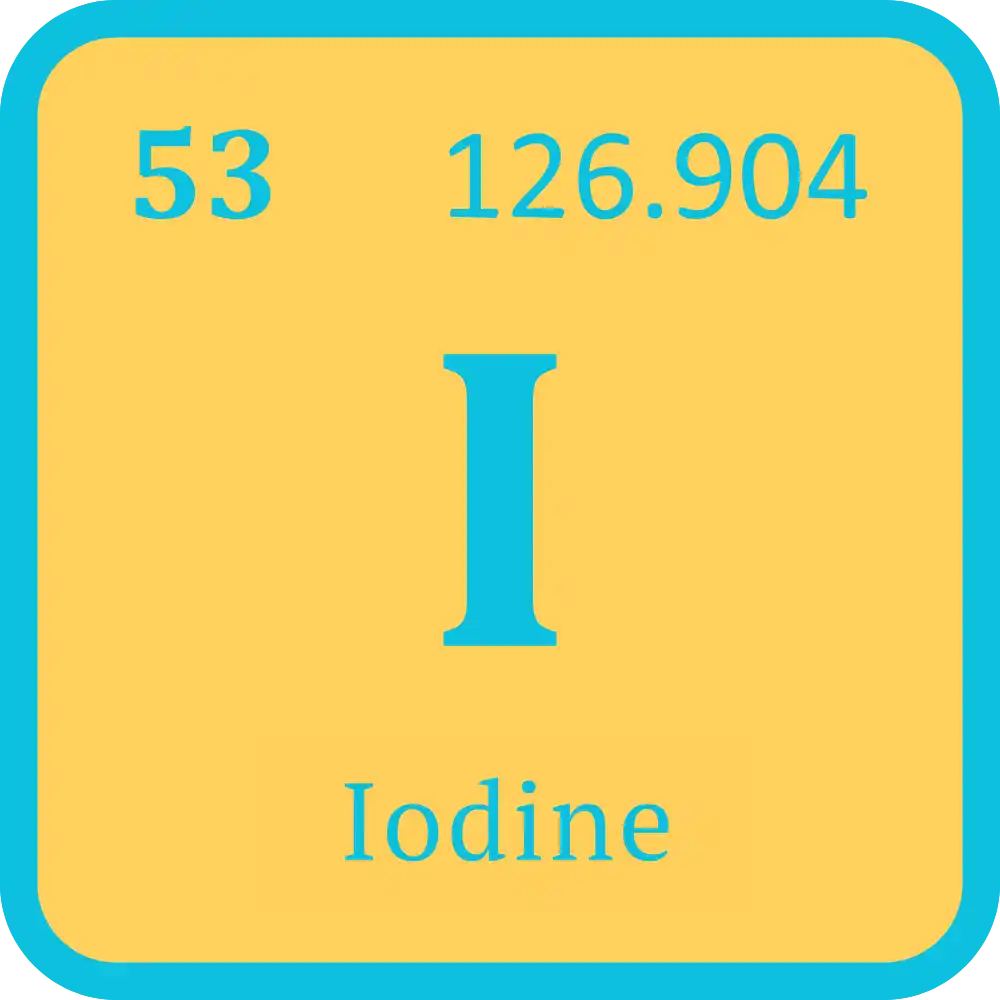
10. Iodine (I)

Iodine is essential for normal thyroid function and metabolism. Like selenium, iodine is required only in tiny amounts, and both deficiency and excess can cause thyroid and coat problems.

Practical ways to supply iodine:

  • Many horses obtain iodine from iodised salt and from fortified feeds; this is often sufficient for horses at maintenance.
  • A balanced vitamin–mineral supplement such as Endeavon Feed Supplement is designed to include trace minerals like iodine at safe, controlled levels when fed according to directions.
  • Avoid guessing with multiple overlapping supplements, as stacking iodine sources can easily lead to oversupply.

Putting it all together in your horse’s diet

Rather than trying to add each mineral separately, the most practical and safe approach is to:

  • Start with good forage (pasture and hay) as the foundation of the diet.
  • Add a correctly fed concentrate or balancer where needed for energy and basic micronutrient coverage.
  • Use a well-formulated product like Endeavon Feed Supplement to fill in remaining vitamin and mineral gaps, especially for horses in work or those travelling and competing.

For targeted support (such as calming magnesium or joint health) you can then layer in specific Endeavon products like Endeavon Magnesium Oxide, Flex-C-Joint, or Flex-O-Joint under guidance from your vet or equine nutritionist.

The Latest News From Colesdale

Equestrian EventsNews

Farrier Day

On the 2nd of October 2026 Colesdale and our brand ambassador Jacques Kruger are hosting a one-of-a-kind farrier day.